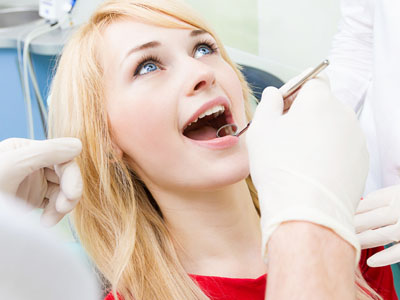
At the office of Tates Creek Dental, we take a forward-looking, prevention-first approach to oral health. Regular oral exams let us spot small changes early, tailor care to each person, and provide practical guidance on brushing, flossing, diet, and healthy habits. Our preventive services include comprehensive examinations, professional cleanings, and oral cancer screenings, all delivered with attention to comfort and clarity so you can make informed decisions about your smile.
Your initial oral exam is a chance for us to build a clear picture of your dental health and history. We’ll review your medical and dental background, ask about any symptoms or concerns, and note medications or conditions that could affect your mouth. This conversation helps us prioritize which areas need the most attention during the visit.
The clinical part of the exam involves a careful inspection of teeth, gums, tongue, and other soft tissues, along with an evaluation of your bite and jaw movement. We screen for signs of gum disease, tooth decay, and abnormal wear patterns from clenching or grinding. When needed, we’ll assess temporomandibular joint (TMJ) function to identify any pain or movement issues that could affect chewing and comfort.
Diagnostic images are recommended when they provide information we can’t see with a visual exam alone. These x-rays or scans reveal the health of roots, bone levels, and areas between teeth that are out of sight. By combining the visual examination, imaging, and a careful review of your history, we can outline a clear plan for maintaining or improving your oral health.

Oral health is closely linked to general health. Problems that begin in the mouth can influence other parts of the body, and chronic medical conditions often show early signs in oral tissues. During an exam we look not only for dental disease but also for clues that might point to broader health issues so you and your medical providers can act early.
Researchers have found associations between oral conditions and several systemic concerns, including cardiovascular disease, diabetes, respiratory conditions, and complications that affect healing. For people managing chronic illnesses, maintaining gum and tooth health becomes an important part of overall care and can make everyday life more comfortable and manageable.
Some medical conditions or medications cause dry mouth, ulcers, or tissue changes that are easiest to detect during a routine dental visit. When we notice anything unusual—persistent sores, lumps, unusual bleeding, or other changes—we document it, discuss possible causes, and recommend any follow-up or referrals that may be appropriate for further evaluation.

Routine checkups and professional cleanings are the backbone of preventive dentistry. Even with diligent home care, plaque and tartar can accumulate in places that are hard to reach. Our hygienists remove these deposits, polish teeth, and help you fine-tune daily habits so you reduce the risk of cavities and gum disease over time.
Regular visits allow us to monitor changes from one appointment to the next. Catching decay or gum inflammation early means simpler, less invasive treatment and better long-term outcomes. These visits also give us an opportunity to reinforce good home care techniques and recommend tools or strategies that fit your lifestyle.
Children benefit greatly from consistent preventive care because these visits establish healthy routines and let us track dental and jaw development as they grow. For adults, routine care supports function and comfort, preserves natural teeth, and helps prevent problems that can affect eating, speech, and quality of life.
Education is part of every clean-and-check visit. We’ll demonstrate how to brush and floss more effectively, suggest dietary changes that support oral health, and explain the purpose of any recommended preventive treatments so you understand how each step contributes to a stronger smile.
Imaging is a vital complement to the visual exam because it reveals structures beneath the surface. Dental radiographs and scans provide a look at tooth roots, the supporting bone, and the spaces between teeth where decay or bone loss can start quietly. These images guide diagnoses and help us plan treatment with greater confidence and precision.
Modern digital radiography has made imaging faster and more efficient. Digital sensors capture clear images that can be viewed instantly, shared with specialists, and stored in your chart for ongoing comparison. Digital techniques typically use less radiation than older film methods and allow us to explain findings to you with on-screen visuals.
Beyond conventional two-dimensional x-rays, three-dimensional imaging such as cone-beam computed tomography (CBCT) can be used when complex anatomy or surgical planning requires it. CBCT offers detailed views that help with implant planning, assessing impacted teeth, and evaluating bone structure in three dimensions, improving accuracy for advanced treatments.
Different imaging methods serve different diagnostic needs. Periapical x-rays focus on an individual tooth from crown to root and are used when we need to assess a single tooth’s root structure or detect infections at the root tip. Bitewing images show the upper and lower back teeth in one view and are especially useful for spotting early decay between teeth.
A full mouth series (FMX) combines several periapical and bitewing images to give a comprehensive view of all the teeth and surrounding bone. Panoramic films provide a broad two-dimensional view of the jaws, useful for assessing tooth development, impacted teeth, and general jaw health. Cephalometric films are a side-profile image often used in orthodontic assessment and planning.
When a three-dimensional view is needed, CBCT adds depth and detail that plain films cannot provide. This can be important for precise implant placement, evaluating complex root anatomy, or planning surgical procedures. Our imaging recommendations are always based on specific clinical questions—each image is chosen to answer a professional question that will inform your care.
After imaging, we will review the results with you in plain language, explain what we see, and outline any follow-up steps or options. Our goal is to make the information understandable and useful so you can participate in decisions about your treatment.
In summary, comprehensive oral exams combine careful visual checks, targeted imaging, and individualized preventive guidance to protect your oral health. If you'd like to learn more about our approach or schedule an exam, please contact us for more information. We look forward to helping you maintain a healthy, confident smile at Tates Creek Dental.
A comprehensive oral exam is a thorough assessment of your teeth, gums, jaw, and other oral tissues designed to evaluate current health and identify early signs of disease. During the exam, the clinician performs a visual inspection, checks bite and jaw movement, and evaluates soft tissues such as the tongue and cheeks for abnormalities. The goal is to create a clear baseline that guides preventive care and any needed treatment planning at future visits.
These exams often include a review of your medical and dental history to understand factors that could affect oral health, such as medications, chronic conditions, or recent procedures. When indicated, diagnostic imaging and targeted screenings are added to provide a more complete picture beneath the surface. A comprehensive exam helps prioritize care, reduce the risk of larger problems, and supports long-term oral function.
Most patients benefit from routine oral exams every six months because this interval allows clinicians to monitor changes and remove build-up that home care can miss. For people with higher risk factors—such as a history of gum disease, active decay, certain medical conditions, or frequent tobacco use—more frequent visits may be recommended to manage disease and prevent progression. Your dental team will tailor the schedule based on your individual needs and findings from previous visits.
If you notice new symptoms like persistent pain, swelling, unusual sores, or sudden changes in chewing or bite, you should contact the office promptly for evaluation rather than waiting for your next routine appointment. Regular monitoring makes it easier to treat problems early when interventions are simpler and more conservative. Staying on your recommended exam schedule supports lasting oral health and comfort.
Your first oral exam typically begins with a review of medical and dental history, a discussion of any symptoms or concerns, and a list of medications or health conditions that might influence care. The clinician will then perform a methodical clinical exam of teeth, gums, tongue, floor of mouth, and other soft tissues while assessing bite, jaw movements, and signs of wear from habits like grinding. This initial visit gives the team the context they need to create a personalized care plan and to identify any immediate priorities.
Diagnostic images such as bitewings or periapical x-rays are commonly recommended if they will provide information not visible in the clinical exam, for example hidden decay or bone level assessment. Based on findings, the team will explain results in clear terms, answer your questions, and outline next steps whether that involves preventive care, monitoring, or referral. The first exam sets expectations for follow-up and helps you understand how to maintain or improve your oral health going forward.
Dental x-rays and three-dimensional scans reveal structures that cannot be seen with a visual exam alone, including root health, supporting bone, and decay between teeth. These images help clinicians detect problems early, assess the extent of disease, and plan treatments with greater precision. Choosing the appropriate image is a clinical decision based on the questions that need to be answered and the information needed to make safe recommendations.
Modern digital imaging captures clear pictures quickly and typically uses less radiation than older film techniques while allowing immediate review and storage in your chart for comparison over time. When complex anatomy or surgical planning is required, cone-beam computed tomography (CBCT) can provide detailed three-dimensional views that improve diagnostic confidence. Your clinician will explain why a specific image is recommended and how it will be used to guide care.
Oral cancer screening is an integral part of a routine oral exam and involves a careful inspection and palpation of the lips, tongue, floor of mouth, cheeks, and throat for any suspicious lesions or lumps. Clinicians look for persistent sores, unexplained lumps, red or white patches, and abnormal bleeding, and they ask about symptoms such as pain, difficulty swallowing, or changes in speech. When an unusual finding is identified, the team documents it and discusses appropriate next steps for further evaluation or referral.
Early detection significantly improves outcomes, which is why regular screening at routine exams is important, especially for patients with risk factors such as tobacco use, heavy alcohol use, or a history of prior head and neck cancers. If necessary, the clinician may recommend a biopsy or refer you to a specialist for diagnostic follow-up. The purpose of screening is to catch concerning changes early so they can be assessed and managed promptly.
Oral tissues can reflect and sometimes reveal signs of broader systemic conditions, so oral exams play a role in overall health monitoring. Conditions such as diabetes, certain autoimmune disorders, and cardiovascular disease can have oral manifestations like gum inflammation, delayed healing, or dry mouth, and clinicians look for these clues during an exam. Documenting such findings helps patients and their medical providers address interconnected health concerns more effectively.
Maintaining good oral health supports everyday function, nutrition, and quality of life, and it can reduce complications for people managing chronic illnesses. When the exam uncovers issues that may relate to general health, the dental team will communicate findings clearly and recommend appropriate follow-up with medical providers or specialists. Tates Creek Dental emphasizes this collaborative approach to support both oral and overall well-being.
For your oral exam bring a list of current medications, relevant medical conditions, and the names and contact information of any specialists involved in your care. If you have recent dental records or radiographs from another office, bringing them or arranging transfer can speed diagnosis and avoid duplicate imaging. Come prepared to discuss symptoms, oral hygiene habits, and any concerns you have about your teeth or comfort so the team can address them thoroughly.
Arriving with questions written down can help ensure you cover everything you want to discuss during the visit, and wearing comfortable clothing makes it easier to relax during the exam. If you have a history of dental anxiety, let the team know so they can explain options for comfort and communication during treatment. Open communication before and during the exam allows for a more effective and personalized care plan.
Professional cleanings performed by a dental hygienist remove plaque and tartar from surfaces and below the gumline in ways that are difficult to achieve with home care alone. These cleanings reduce inflammation, lower the risk of cavities and periodontal disease, and help maintain healthy tooth-supporting structures. Pairing a cleaning with an exam allows the clinician to evaluate tissues after plaque and tartar have been removed, improving the accuracy of the assessment.
During the appointment, the hygienist will also polish teeth, provide targeted instructions for home care, and recommend tools or techniques that suit your lifestyle. Regular clean-and-check visits create a consistent record of oral health changes over time, making it easier to detect small problems early. Education and preventive care provided during these visits are central to long-term preservation of teeth and oral comfort.
Oral exams for children focus on development, eruption patterns, and early detection of habits that can affect long-term dental health, while adult exams often emphasize disease prevention and management of existing conditions. Pediatric exams include monitoring jaw growth, tooth alignment, and oral hygiene behaviors, and they provide an opportunity to establish positive, age-appropriate habits. The clinician will tailor the exam, communication style, and preventive recommendations to the child’s developmental stage and needs.
For adolescents and adults, exams may place more emphasis on periodontal evaluation, risk assessment for decay, and screening for signs of bruxism or wear. Both child and adult exams can include imaging when clinically indicated, and all exams aim to set clear expectations for follow-up care and home hygiene. Early, consistent exams for children help build a foundation for lifelong oral health.
You should schedule an exam promptly if you experience symptoms such as persistent tooth pain, swelling, sudden sensitivity, unexplained bleeding, a loose tooth, or a sore that does not heal within two weeks. These signs can indicate infections, traumatic injury, or other conditions that benefit from early evaluation to prevent progression. If you have a medical event or new medication that affects oral health, arranging an exam can help address potential side effects like dry mouth or tissue changes.
Our office encourages patients to seek evaluation for any sudden or worsening oral symptoms rather than waiting, because timely assessment often allows for simpler, more conservative care. If you are unsure whether a concern needs urgent attention, contacting the practice for guidance can help determine the appropriate next step. Prompt communication and early exams protect your oral health and provide peace of mind when problems arise.
For 25 years, we've been proud to care for smiles in this community — combining modern technology with a personal touch, and always making room for patients who need us quickly. We're grateful for the trust you place in our office.