If a dentist recommends root canal treatment, there's no reason to panic. Modern root canal therapy is a predictable, routine procedure designed to relieve persistent tooth pain and preserve teeth that would otherwise require extraction. The goal is simple: remove the source of infection or inflammation inside the tooth, protect the remaining tooth structure, and restore comfortable function.
At the office of Tates Creek Dental, we combine up-to-date instruments with thoughtful patient care to make the experience as calm and efficient as possible. Our approach emphasizes comfort, clear communication, and a tailored treatment plan so you understand what to expect from diagnosis through recovery.
Keeping a natural tooth whenever possible helps maintain the alignment and function of your bite, supports efficient chewing, and reduces the risk of future dental work on neighboring teeth. Root canal therapy allows many teeth that would once have been extracted to remain in place and continue serving their role in your mouth for years to come.
Advances in instrumentation, imaging, and filling materials mean outcomes are better and recovery is easier than in past decades. When a tooth is properly treated and then restored with an appropriate crown or onlay, it can often withstand normal chewing forces and remain symptom-free for a lifetime with routine care.
Choosing treatment early can also limit the spread of infection. When the pulp inside a tooth becomes irreversibly damaged, bacteria can travel down the root into the surrounding bone. Treating the tooth before that process advances reduces the chance of more complex problems and helps preserve overall oral health.

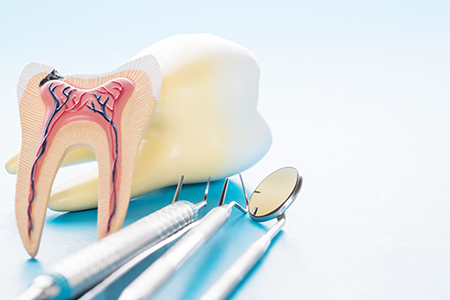
Inside each tooth is a small chamber containing the dental pulp — connective tissue, nerves, and blood vessels that once helped the tooth develop. After a tooth fully forms, it no longer depends on the pulp to function, but the pulp can still become inflamed or infected from deep decay, a crack, or dental trauma.
Symptoms vary by case. Some people experience sharp, lingering pain with hot or cold, pain when biting, or swelling in the surrounding gum. Other times a tooth with significant pulp damage causes little discomfort but shows changes on X-rays. Regular exams and imaging can catch issues before they become emergencies.
Because signs can be subtle, it's wise to seek evaluation if you notice persistent sensitivity, a darkening tooth, or any unexplained swelling. Early assessment helps your dental team recommend the most appropriate treatment to protect both the tooth and your overall oral health.
Although not every ache requires root canal therapy, several common indicators suggest the pulp may be compromised:
Discomfort that continues after the source (hot, cold, or pressure) is removed is a common warning sign. Pain that interrupts sleep often indicates the nerve is irritated or infected and should be evaluated promptly.
Sustained soreness to hot or cold foods and beverages — not the brief twinge of sensitivity many experience — can signal inflammation deep within the tooth.
If chewing or tapping on a tooth produces sharp or lingering pain, the internal tissues may be compromised. This symptom often points to pulpal involvement or an underlying infection.
A tooth that darkens after an injury or gradually shifts color may have lost vitality. Discoloration can reflect internal changes resulting from trauma or infection.
Gum swelling near a specific tooth, a draining sore, or a tooth that feels mobile can indicate the infection has reached the supporting bone and needs prompt attention.

Delaying care after symptoms begin increases the chance that an infection will spread deeper into the jaw or into adjacent tissues. An untreated tooth can develop a larger abscess, cause more extensive bone loss, or lead to persistent swelling and systemic symptoms that require more complex treatment.
Even when a troubled tooth does not hurt, imaging may reveal changes around the root tip that deserve attention. Timely intervention often means a simpler procedure, a greater likelihood of preserving the tooth, and a quicker return to normal comfort and function.
Your dental team will evaluate the situation and explain the options — from root canal therapy to alternatives — and outline realistic expectations for outcomes and the timeline for follow-up restorative care. Prompt decisions protect surrounding teeth and support long-term oral health.
Root canal therapy today is performed with careful isolation, magnification, and sterilization to remove diseased tissue while protecting the rest of the mouth. Local anesthesia typically keeps the area numb throughout the procedure so patients experience minimal discomfort. For those who prefer it, sedation options can reduce anxiety and improve comfort.
The dentist opens the crown of the tooth to access the root canals, gently removes the inflamed or infected pulp, and cleans and shapes the internal spaces. After disinfection, the canals are filled with a biocompatible material to seal them. In many cases a temporary filling is placed until a final restoration is completed.
The complexity of the tooth determines how many visits are needed. Molars with multiple, curved canals or teeth with active infection may require additional time to ensure thorough cleaning and healing. Your provider will explain the plan and the rationale for the recommended approach.
After treatment most patients notice immediate relief from the intense pain that brought them in. Mild soreness or pressure for a few days is common as the tissues around the root heal, and over-the-counter pain relievers usually manage this discomfort. Follow your dentist's guidance about activity and oral hygiene during recovery.
A tooth that has had root canal therapy is often restored with a crown or another durable restoration to protect it from fracture and restore full function. Because a treated tooth can be more brittle over time, placing an appropriate permanent restoration is an important step in preserving long-term success.
With good home care and regular dental checkups, the majority of treated teeth remain useful for many years. If you notice renewed pain, swelling, or any unusual changes after treatment, contact the practice promptly so the team can assess and address concerns before they escalate.
At Tates Creek Dental, our aim is to provide clear explanations, attentive care, and predictable treatment for patients facing root canal therapy. If you'd like to learn more about what to expect or discuss whether root canal treatment is right for you, please contact us for more information.
Root canal therapy is a dental procedure that removes inflamed or infected pulp from inside a tooth, cleans and shapes the internal canals, and seals the space to prevent reinfection. The primary goal is to relieve pain, eliminate infection, and preserve the natural tooth so it can continue to function in the mouth. When a tooth can be saved, root canal treatment often avoids the need for extraction and the additional restorative work that follows.
Modern techniques and materials have made the procedure predictable and comfortable for most patients. The office of Tates Creek Dental uses isolation, magnification, and gentle instrumentation to improve precision and reduce procedural discomfort. After root canal therapy, a permanent restoration such as a crown is typically recommended to protect the treated tooth.
Common indicators that the pulp may be compromised include persistent or severe toothache, prolonged sensitivity to hot or cold, and pain when biting or applying pressure. Other signs can include swelling of the gum near a tooth, a draining sore, a tooth that has darkened in color, or a loose-feeling tooth. Symptoms vary widely, and some infected teeth produce minimal or no pain while still showing changes on X-rays.
Because signs can be subtle, it is important to seek evaluation if you notice ongoing sensitivity, sudden changes in tooth color, or swelling. Early assessment allows your dental team to recommend the most appropriate treatment and can reduce the likelihood of more extensive problems. Routine exams and diagnostic imaging help catch issues before they become emergencies.
Diagnosis begins with a clinical exam that may include percussion testing, thermal sensitivity testing, and careful evaluation of the tooth and surrounding tissues. Diagnostic imaging such as bitewing or periapical X-rays and, when appropriate, cone beam CT scans provide detailed information about the root structure and any areas of bone loss. The dentist considers symptoms, clinical findings, and radiographic evidence together to form a treatment recommendation.
In some cases the provider may recommend monitoring a tooth or pursuing alternative therapies based on the overall prognosis and structural condition. When a tooth is structurally compromised or the canal anatomy is complex, your dentist may collaborate with or refer to an endodontic specialist. The decision is made to maximize the chance of long-term success while preserving surrounding tissues.
On the day of treatment the area is numbed with local anesthesia and the tooth is isolated to keep it dry and free of saliva. The dentist creates a small access opening through the crown of the tooth to reach the pulp chamber and root canals, then carefully removes diseased tissue, cleans and shapes the canals, and disinfects the internal spaces. Once the canals are prepared they are sealed with a biocompatible filling material to prevent reinfection.
Depending on complexity and infection level, treatment may be completed in a single visit or require two or more appointments, with a temporary filling placed between visits when needed. The practice uses magnification and modern irrigation methods to enhance cleaning and outcomes. After the procedure you will receive specific instructions for care and a plan for final restoration, typically a crown, to protect the tooth.
Local anesthesia keeps the treated area numb during the procedure, so most patients experience minimal or no pain while the dentist works. Modern numbness techniques and careful clinical protocols are designed to make the appointment comfortable for people with dental anxiety or sensitivity. For patients who prefer additional relaxation, sedation options can often be discussed with the treatment team.
After the appointment it is common to have mild soreness or a sensitive sensation for a few days as surrounding tissues heal, and this is usually managed with over-the-counter anti-inflammatory medications. Severe or worsening pain, swelling, or persistent fever is uncommon and should prompt prompt contact with the office. Most patients report significant relief from the intense pain that led them to seek care.
Initial healing after root canal therapy typically occurs within a few days to a couple of weeks, although the timeline depends on the extent of infection and individual healing response. Patients are advised to avoid chewing on the treated tooth until a permanent restoration is placed to reduce the risk of fracture. Good oral hygiene and gentle care around the area support healing and comfort during recovery.
A follow-up visit is usually scheduled to confirm healing and to place or plan for the final restoration, such as a crown, which restores strength and function. Regular dental checkups and imaging help monitor the treated tooth over time. If you notice renewed pain, swelling, or changes in bite, contact the office for an assessment.
When root canal therapy is performed correctly and the tooth is properly restored, the long-term prognosis is favorable and many treated teeth remain functional for many years. Success depends on thorough cleaning and sealing of the canals, the absence of untreated canals or persistent infection, and placement of a durable final restoration that protects the tooth from fracture. Regular dental care and prompt attention to new symptoms also influence outcomes.
Factors that can reduce the likelihood of success include severe root fractures, extensive bone loss, or anatomy that is difficult to clean completely. In such situations your dentist will discuss realistic expectations and potential retreatment or surgical options if necessary. Ongoing monitoring allows the team to address issues early and maintain oral health.
An alternative to root canal treatment is extraction of the affected tooth followed by replacement options such as a dental implant, bridge, or removable partial denture. The choice between saving a natural tooth and extracting it involves considerations like the structural integrity of the tooth, the extent of infection, surrounding bone support, and the long-term prognosis of each option. Your dentist will review the pros and cons of each approach in the context of your overall oral health.
Preserving a natural tooth is often preferred because it helps maintain normal bite function and prevents adjacent teeth from shifting, but extraction may be the best option when a tooth is fractured beyond repair or the infection cannot be predictably controlled. Shared decision-making with your dental team ensures that treatment aligns with clinical needs and your personal preferences. If extraction is chosen, the team will discuss restoration options that best restore form and function.
Yes. Pediatric and young-adult patients may receive pulp therapy tailored to the developmental stage of the tooth, such as pulpotomy, pulpectomy, or apexogenesis procedures designed to preserve root development. For immature permanent teeth the objective is often to maintain vitality or encourage continued root formation when possible, using techniques that differ from standard adult root canal therapy. The approach is selected based on radiographic findings, clinical symptoms, and the extent of pulp involvement.
When treatment involves children or complex anatomy, care may be provided by or in consultation with a pediatric dentist or endodontist who has experience with these specialized procedures. Early evaluation after trauma or deep decay improves the chances of tooth preservation and favorable long-term development. The dental team will explain the recommended procedure and expected follow-up to monitor healing.
Preventive habits help lower the chance of pulp damage and infection: brush twice daily with fluoride toothpaste, floss daily, and keep regular dental examinations and cleanings to catch decay early. Prompt repair of cracked or broken teeth and timely treatment of cavities limit the progression of damage that can reach the pulp. Using a mouthguard during contact sports and a nightguard for bruxism can protect teeth from traumatic injury and excessive wear.
Early attention to tooth pain, swelling, or changes in color allows your dental team to intervene before problems advance. Maintaining overall health, including managing conditions that affect healing, supports oral health and the longevity of dental work. If you have concerns about a specific tooth, contact the office of Tates Creek Dental to schedule an evaluation and discuss preventive or restorative options.
For 25 years, we've been proud to care for smiles in this community — combining modern technology with a personal touch, and always making room for patients who need us quickly. We're grateful for the trust you place in our office.